Living authentically with Human Design

My first glimpse of Human Design

I first encountered Human Design in early 2023, at a point where I was searching for something that could help me truly understand myself.
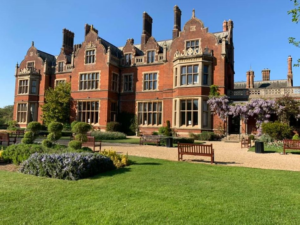
Arthur Findlay College

This journey started with a new friend I met at the Arthur Findlay College in early 2023. Both of us had signed up for a course on Trance Mediumship.
We’d spend evenings at the bar talking about things like psychedelics, UFOs, and our constant curiosity for what lies beneath the surface of life. Later on, he introduced me to Human Design – a system that, he said, could map out a person’s energy and purpose. Intrigued but skeptical, I figured I’d give it a try.

Before this, I didn’t have any real tool to navigate my life path. Personality tests like Myers-Briggs and the Enneagram offered some insights, but they only skimmed the surface.
I wanted a way to make sense of things, and Human Design offered a map, a guide I could try, fail, and keep exploring with.

Discovering my Generator energy

According to Human Design, I’m a pure Generator. That means I have a constant energy flow, almost like a rechargeable battery (Do you remember the Duracell commercial with the bunny?)
There’s a catch though: it’s not about just using energy. It’s about waiting for life to bring something to me that sparks that energy. And when something excites me, I can work without stopping, lose all track of time, and feel fully satisfied at the end of the day.

For instance, I’ll dive into a project, and before I know it, hours have passed. I forget to eat, drink, or even pause. I’m in the zone, I’m in a flow state. The work is energizing, not draining, because I’m fully in alignment with what excites me. But that’s only when I’m following what feels right; I’ve learned not to chase just anything. As a Generator, responding is the name of the game and I’m still figuring it out.

I’ve learned that not everything deserves my energy, and part of this journey is about letting life bring me the right opportunities. Learning to set boundaries is still a huge thing for me.

Navigating life as a 6/3 Profile – living in phases

In Human Design, I have a 6/3 profile, which combines two archetypes: the experimenter Line 3 and the role model Line 6.

For the first 28 years of my life, I was in the exploration phase – constantly experimenting, trying different paths, and learning through all the things that didn’t work. I was not conscious about any of this, to be honest!

Now, at 51, I’m supposed to step into the “role model” energy, though I’m still trying to understand what that actually looks like.

Looking back, I see it all so clearly. My life’s been one experiment after another – relationships that didn’t work out, career shifts, new business ventures, and endless side projects. For example, I got into entrepreneurship when I was 18, trying out different business models, failing at some, succeeding at others. It was all part of my process, and for the longest time, I thought I was just “unstable.” Now, I see it as part of my design. I was always meant to learn through experience.

Tuning into my sacral authority – trusting my body’s intelligence

With the insight of my profile, I also discovered the imporrtance of my decision making authority – my Sacral Authority. For Generators, this means I need to rely on my gut responses, a kind of “yes” or “no” that my body communicates. For me, these signals come as sounds – like a “mm-hmm” for yes or an “uh-uh” for no. This is not something I always knew I was doing, but now I listen for those responses more consciously.

Through plant medicine ceremonies, I’ve connected with this body intelligence on a deeper level. In one vision, it appeared to me as a woman I could talk to; a guide in my journey. She’s not as accessible in daily life, but the feeling stays with me, helping me to trust my body’s voice. Learning to listen to this voice, this presence, even outside of ceremony, is a whole journey in itself.

I’m new to this. I’ll be honest; I don’t have it down perfectly. Sometimes I even need reminders to listen to my body instead of my mind. I’ve printed exercises, stuck them on my fridge, trying to get the hang of it. But when I do listen, the answers feel like they’ve been there all along, just waiting for me to notice.

Learning to trust my body’s answers is a whole journey in itself. Sometimes I’ll ask myself a question, wait, and let the response come. It sounds almost too simple, but when I follow that yes or no from my sacral, my decisions feel right. It’s a process, and I’m still practicing. I’m far from perfect at this, but I’m learning.

Deep fears and limiting beliefs

Many fears have also come up to the surface during this last year. Some of these are deeply rooted, like the fear of not belonging or wondering if I’m “allowed” to even be here. These fears feel old, almost like they’ve been with me for lifetimes. And when I go deeper, I wonder if they’re passed down through family lines.

There’s a kind of freedom in acknowledging them without needing to “fix” them. Inspired by Ram Dass in a beautiful track by East Forest, I’ve learned to just “love my dark thoughts.” He talks about sitting with those difficult thoughts, observing them without judgment and just state “I love my dark thoughts”.

So when one of those old fears rises, I try to welcome it, let it be, and then let it go. I’m not trying to rid myself of these fears, just seeing them as part of my journey.

Psychedelics, fears, and generational healing

I’ve spent time working with plant medicines like Ayahuasca and psilocybin mushrooms. They’ve opened me up to the idea that some fears might not even be mine. These experiences make me consider how our energies get passed down, from ancestors to us.

Part of my healing process has been to just stop pointing fingers – to see it all as energy I can choose to hold onto or let go.

I acknowledge that neither my parents nor my grandparents had any tools to process such fears or even the awareness to see the patterns.

I sometimes imagine that by working with these fears, I’m breaking a chain. That’s where I find some peace: knowing that I’m doing the work of realisation here, within me, so I don’t pass it on.

Sharing my process as it unfolds

I made the choice to “build in public,” not because I have all the answers but because I’m curious, and I think curiosity is contagious. I’m writing and sharing my journey so others can see that it’s okay to explore without a clear destination. Maybe my story will inspire someone else to look into their Human Design, or maybe it will just make people feel less alone in their own self-discovery process.

One tool that’s helped in all of this is metacognition – the practice of watching my own thought patterns. I’ve started stepping back and observing, not getting wrapped up in the fears but just watching them come and go.
I love Ram Dass’ approach to ‘loving dark thoughts.’ He says, ‘Just love them, welcome them as they are.’ I use this practice when I catch myself in fear or self-doubt, and it gives me a freedom I didn’t have before.

So if you’re intrigued, get a Human Design chart done. It’s not about having it all figured out; it’s about being open to the process and seeing where it takes you.

Living authentically

Human Design hasn’t solved my problems, but it has helped me find a way to live that feels truer to myself.
I’m still figuring this out, day by day. I don’t have it all together, and I’m learning to be okay with that. It’s a tool, a way to make choices that come from within, instead of following what’s expected.

This journey isn’t about achieving some end goal. It’s about staying open, experimenting, and being honest with myself about where I am. If my experiences help others along their path, even better. So here’s to living authentically – without the pressure to have it all figured out.
The inner compass of Human Design

Human Design - Inner compass

Are you seeking a deeper understanding of yourself, navigating the crossroads of happiness and purpose?

Almost two years ago, a friend introduced me to Human Design, and since then, I’ve been deep-diving into what I now call my Inner Compass.

If you’re interested in psychology and personality types, I can highly recommend Human Design. Perhaps you’ve heard of the 16 personalities (Meyer-Briggs Type Indicator), Enneagram, DiSC or other personal assessment tools. 

While these tools provided helpful insights, they felt like puzzle pieces that didn’t quite fit together.

Human Design, however, offered me a map – a living, breathing system that shows how my energy interacts with life in real-time.

Even my astrological zodiac sign Sagittarius served as a general lighthouse until recently.

I’ve been on the spiritual discovery path for over 30 years and I thought I knew something about most of the personal development topics. I had never stumbled upon Human Design which was brought into this world in 1992 by a man called Ra Uru Hu.

Human Design is a comprehensive self-knowledge system. It’s a system for self-discovery and personal growth. It provides a practical map of how individuals operate, based on their unique design.

It’s a system that helps you align with your true self. Think of it as a user manual for navigating life’s challenges and opportunities. By understanding your unique design, you learn how to make better decisions, find your strengths, and work through challenges.

The system integrates various ancient wisdom traditions, including western astrology, the I Ching, Kabbalah, and Vedic philosophy. It also adds modern scientific insights such as genetics and neutrinos.

Based on your birthday, time and location, this system is able to provide a much deeper analysis of who you are, and what gifts you bring to this world.

Skeptical but curious, I decided to create my own chart.

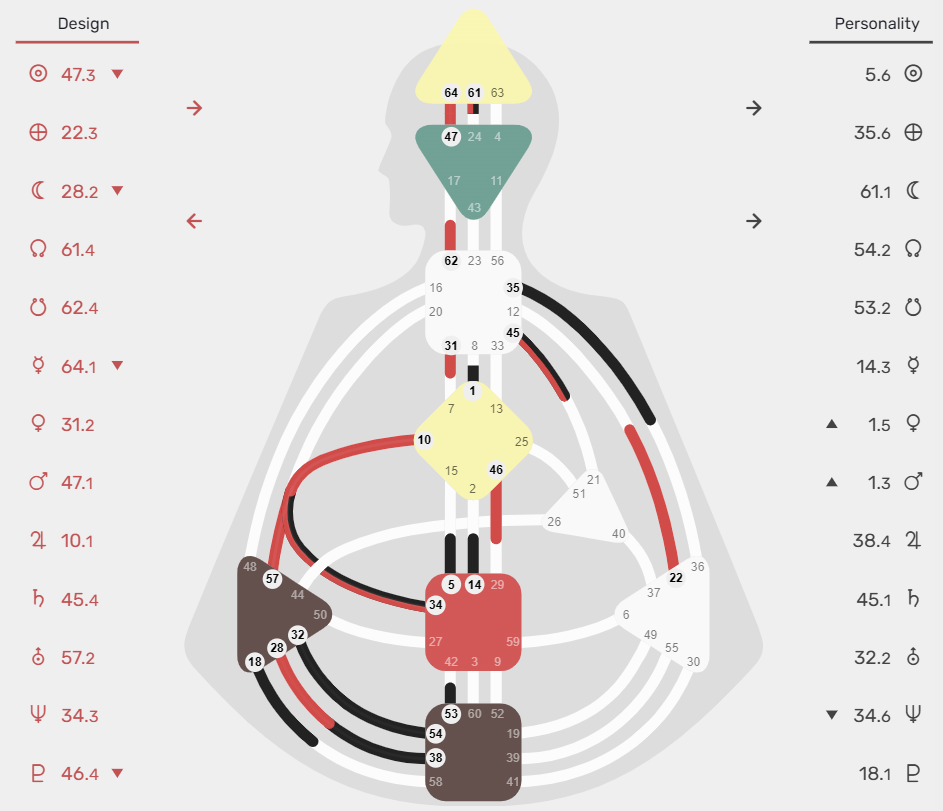
Human Design Body graph

At first, it looked like something out of a cartoon. But as I dug deeper, I started seeing its structure and meaning.

For instance the colors of the number columns were important and the 9 shapes (energy centers) had different meanings if they were colored-in or not.

After I inspected my chart and read the high-level explanations of the basic parts, I got curious.

Five types – Discovering I’m a generator

In the Human Design system, developed by Ra Uru Hu, individuals are categorized into five distinct energy types: Generators, Manifesting Generators, Projectors, Manifestors, and Reflectors. 

Among these, Generators and Manifesting Generators are considered receptive types. They respond to the world around them and derive energy from their environment. They are designed to respond to life instead of initiating actions.

Approximately 70% of the population consists of Generators, with pure Generators making up around 37% and Manifesting Generators around 33%​. They rely on their “gut-feeling” when responding to life.

All types have strengths and challenges, and that is what really got me deep diving.

I found several websites where I could create my own Human Design chart for free. See links at the end for resources. 

I learned that I’m a 6/3 Generator. According to Human Design, a 6/3 Generator is a dynamic individual who learns through experience and embodies the wisdom gained from their journey.

Generators thrive on responding to life rather than initiating actions. This allows them to engage deeply with their passions and find satisfaction in their work.

What fascinates me, compared to the Enneagram or the MBTi is that Human Design offers practical guidance on how to navigate life. For me as a Generator, to live an authentic life, I should respond to life rather than initiate.

I’ve read countless books on Human Design to better understand what waiting to respond, not initiating means. Currently being without work and applying for jobs for me equalled initiating. But it’s the other way around. 

I’m responding to a job ad and I use my gut feeling to determine if the job is a good match.

Exploring your own Human Design chart

Here are the top things to look at in your chart:

Type
Your type shows how you interact with the world. Are you a Generator, Projector, Manifestor, or Reflector? Each type has its own way of engaging with life and making decisions.

Strategy
Your strategy is how you’re meant to approach life. Generators, for example, should wait to respond, while Manifestors are meant to initiate. This is key to finding flow and avoiding frustration.

Authority
Authority is how you make decisions. Some people listen to their gut (like me, with Sacral Authority), others wait for emotional clarity, or trust their instincts. Understanding your authority helps you know when something is truly right for you.

Profile
Your profile reveals the role you play in life and how others see you. It’s made up of two numbers, like 6/3 or 5/1. It tells you how you learn, relate to others, and grow through life experiences.

Centers
The nine centers in your chart are like energy hubs. If they’re colored in (defined), they’re areas of consistent energy. If they’re white (undefined), you’re open to influence from others in those areas. Understanding your centers helps you know your strengths and where you might be influenced.

For example, I have a defined Sacral Center. This means I have consistent access to life-force energy. 

This is the energy that fuels my work and passions, allowing me to sustain effort over time. 

On the other hand, my throat center is undefined, which means my ability to express myself varies depending on who I’m with. 

This variability has helped me learn to listen before speaking, and to allow my words to emerge naturally when the timing is right.

When I read about the undefined throat center, and how I adapt to my surroundings, I got so many aha-moments. A lot of situations from my childhood and adult life suddenly made sense to me. 

As a young child I lived in Cairo for 8 months and I learned to speak Arabic like the natives. As soon as I returned to Denmark and landed at the Copenhagen Airport, I adapted to my new local environment and forgot all about Arabic! Haven’t spoken it since.

Incarnation Cross
This is one of the most important parts of your chart—it’s your life purpose. The Incarnation Cross gives you insight into the direction of your life. It shows what you’re here to do and the unique gifts you bring to the world.

Gates and Channels (for deeper analysis!)
Gates and channels connect the centers in your chart. They represent specific energies and traits. Gates can highlight your gifts or challenges, and channels show how your energy flows between different parts of your life.

Deconditioning

As I’m working with Human Design, I’ve realized it’s not just a system for making better decisions – it’s a spiritual process of deconditioning.

We’ve absorbed layers of conditioning from society, family, and our environment, pulling us away from who we truly are. It takes a bit of soul searching to accept this fact. Best part? I’ve found a good tool to help me.

Human Design offers a pathway to peel back these layers, allowing your authentic self to shine through. It’s a journey from mind-centered living to heart-centered awareness, where you stop reacting to external pressures and begin responding from a place of inner truth.

At the same time, it’s important to remember:

Human Design is a tool, not a rulebook. It’s meant to help you understand yourself better.
But life isn’t about overthinking your design. It’s about engaging with the world, experiencing joy, and trusting your instincts.

So while Human Design offers profound insights, don’t forget to live, explore, and follow your own unique path.

What’s next?

If you’re curious about your own Human Design, I encourage you to explore it for yourself. Below are some resources to generate your chart and start your journey:

https://jovianarchive.com

This is the official website of Human Design and only provides the most basic information about your profile. It doesn’t provide any details about your unique setup.

https://www.myhumandesign.com

Here you get a bit more information about the basic data of your chart.

Unlock spiritual leadership with new science

Spiritual Leadership Claus Reestrup


Let’s talk about consciousness. I watched a TED talk recently about plant communication. A neuroscientist Greg Gage found a way to communicate with plants. As we all know, plants don’t have a brain nevertheless the scientist found that plants use electrical signals to interact with their environment, much like our own nervous system.

Neuroscientist and plant communication

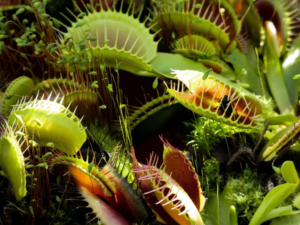
In the experiment Greg Gage interacts with a plant called the Venus fly trap. It’s the plant that catches insects with its leafs. The plant has small hair-like antennas which causes the lobes to snap shut when prey touches them.

A Venus flytrap

The scientist proofs that the plant can count. It only closes if the antennas are stimulated rapidly as if a fly is there. Greg shows that touching an antenna only once doesn’t make the plant close. And apparently the flytrap only shuts if the antennas are stimulated quickly within a 20-second period.

Now, that is a sign of intelligence in the natural world, and I find that very fascinating.

Interestingly, the experiments are based on facts. No belief system is needed to get the results. It is part of our existence whether you believe it or not. Plants are nature – and so are we.

Dr Masaru Emoto

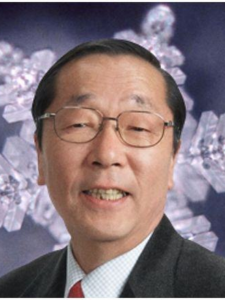
Dr Masaru Emoto, a Japanese scientist with a PhD in alternative medicine, proved that human consciousness could affect the structure of water. That is how powerful the mind is.

In his studies, he found that water exposed to positive words and intentions formed beautiful, symmetrical crystalline structures when the water was frozen, while water exposed to negative words and intentions formed disorganized, asymmetrical structures.

He did an experiment with rice where he poured water over cooked rice in three different jars, then labeling one “Thank You!,” one “You’re An Idiot,” and leaving one unlabeled. He found that the rice that he spoke kind words to remained mostly white, while the rice that he spoke negatively to, turned moldy, providing physical evidence of the power of positivity.

This works without needing a certain belief system. Fact based.

The Gaia tv-show has made a good video on water consciousness and how water responds to human emotion.

Water responds to human emotion. Power of the mind. (c) Gaia

Furthermore, I’m fascinated by some of the experiments done by a woman called Veda Austin. Her website is titled The Secret Intelligence of Water.

Veda Austin

Veda is a water researcher and public speaker and she has experimented with frozen water and the power of the mind for the last 10 years.

She believes that water is fluid intelligence, observing itself through every living organism on the planet and in the Universe.

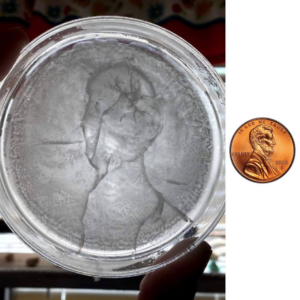
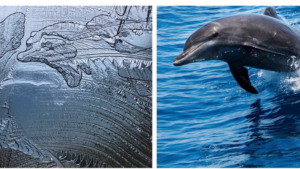
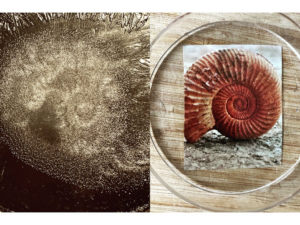
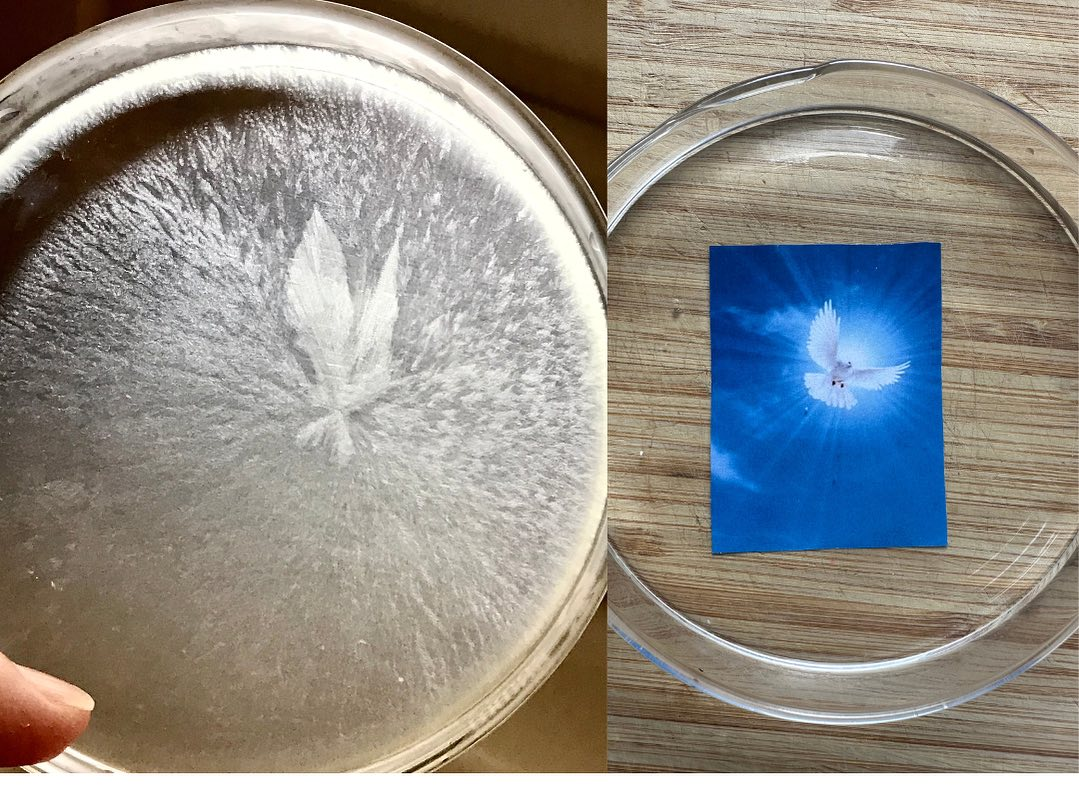
​Her primary area of focus is photographing water in its ‘state of creation’, the space between liquid and ice. It is through her remarkable photos that water reveals its awareness of not only creation, but thought and intention through imagery.

In her video on her website, she explains “water appears to intelligently respond to human consciousness. It uses its building blocks of ice to design recognizable pictographs enabling it to share its messages or acknowledgement back to us in picture form.”

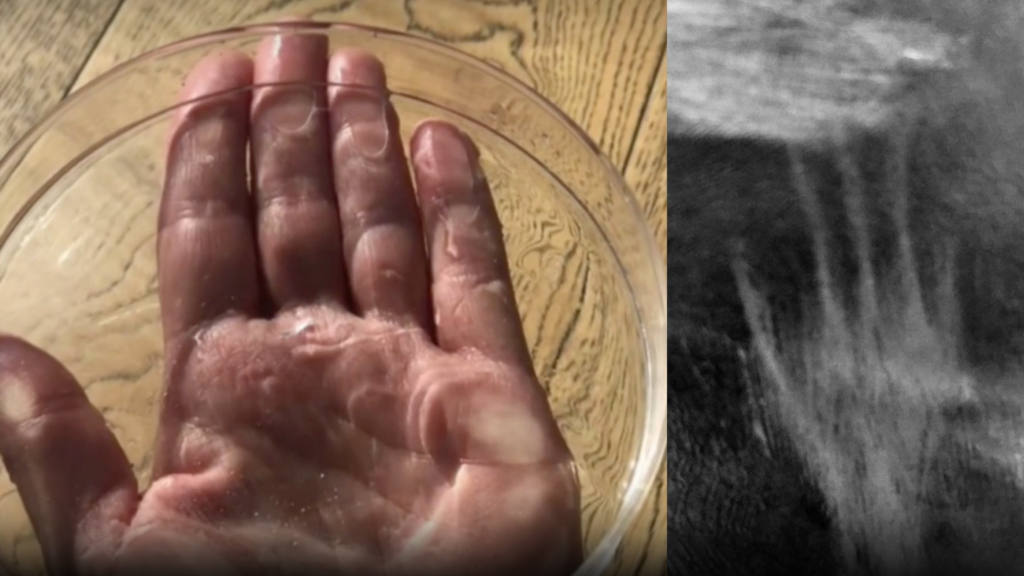
She continues: “My first experience of this phenomenon was when I projected the thought of my hand into a petri dish of water, froze it, pulled it out, and in the architecture of the ice was a hand.”

Hand projected into water and visible in the frozen water. (c) Veda Austin

Take a look of some of her experiments with water consciousness. She has over 40.000 pictures, according to her website.

It seems water in frozen state is able to create a representation of physical objects. Water even picks up thoughts, music, words and photos. Here are a few of her results, copyright Veda Austin.

(C) Vera Austin
(C) Vera Austin
(C) Vera Austin
(C) Vera Austin

Amazing, isn’t it? Pure science again. No belief system required, only consciousness and perhaps an open mind.

Thirdly, electricity is required for the human nervous system to send signals throughout the body and to the brain, making it possible for us to move, think, and feel. Part of the human body is electric and with electric impulses comes electromagnetism.

Are you still doubting that your thoughts are energy?

New groundbreaking technologies are being developed that makes it possible to control external devices through thoughts. This technology is called Brain-Computer Interface or BCI which is a computer-based system that acquires brain signals, analyzes them, and translates them into commands that are relayed to an output device to carry out a desired action.
This is no longer science-fiction but science-facts.
These systems can operate many different devices, from cursors on computer screens to wheelchairs to robotic arms. These kind of devices are not mind-readers – they work by reading and analysing electrical brain signals using advanced technologies like EEG.

If you’re a science buff, you can read more about Brain-Computer Interfaces here: Brain-Computer Interfaces in Medicine. This research from 2012 is published in an official US government website called National Library of Medicine – National Center for Biotechnology Information.

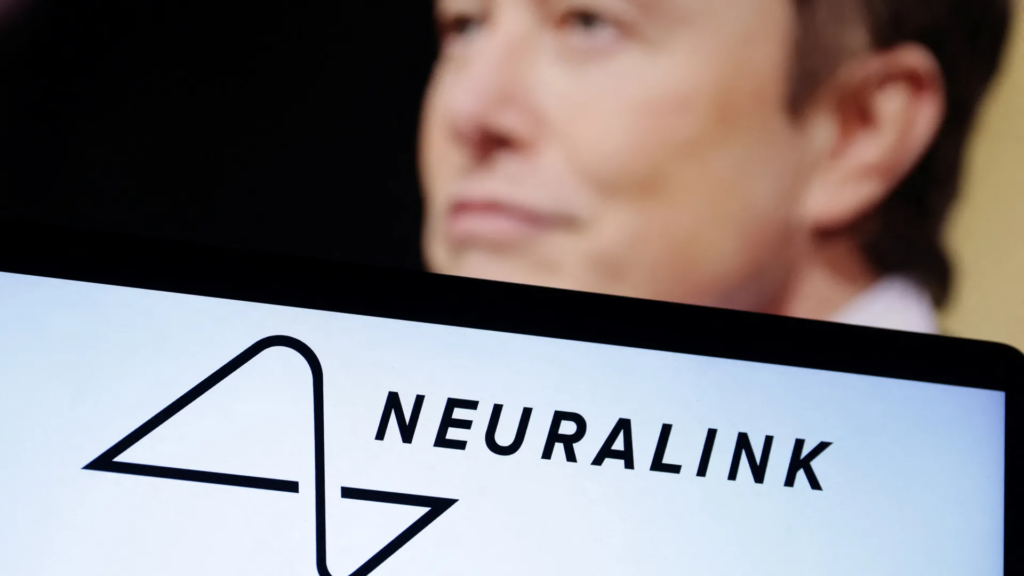
Elon Musk owns a company called Neuralink where they are developing such a brain-computer interface. That solution is an implant in the brain though.

Neuralink and Elon Musk

The company mission statement is “Create a generalized brain interface to restore autonomy to those with unmet medical needs today and unlock human potential tomorrow.”
Elon Musk has reportedly said he wants humans to merge with AI “to achieve a symbiosis with artificial intelligence.”

This sounds really great, but I don’t like the idea of implanting technology inside my body. Especially technology that I have not created myself nor have any control of. Such implants receive a lot of resistance from free-thinkers expressing their concerns about transhumanism.

What Elon Musk talks about is not just reading the brain signals but also writing the signals back to the brain meaning that a piece of technology sends or writes signals to your brain. To me that raises a lot concern when considered beyond the context of helping the blind see or the handicapped walk. Who would decide what signals were “written” and sent to the brain?

Integrating science, spirituality, and leadership for the future

The science of plant communication, studies on human consciousness, and the potential of brain-computer interfaces, I find is very relevant for young business leaders.

This combination of science and spirituality might seem outside the norm for the business world and unfortunately we have forgotten our spiritual heritage and we’ve gotten absorbed in materialism, profits, and greed. We’ve forgotten why we’re here and what we are in essence.

If we want to build a better world, we must get to know ourselves and our surroundings first. Part of a leadership training programme should include spirituality, neuroscience, and consciousness studies. We can’t lead blindly anymore.
I’m bringing cutting-edge research to support a new paradigm.

Our consciousness can affect water, and with the plant communication research, we can certainly see that reality is stranger than fiction.

Emotional intelligence, particularly self-awareness, gives you tools to lead from a place of positivity and inspiration. Understanding ourselves as spiritual beings brings a sense of purpose, empathy, and compassion to our roles as leaders.

Embracing a holistic view of leadership, grounded in both science and spirituality offers many benefits.

As a leader, are you aware of your intentions and emotions when you talk to people? 
As you can see, like plants, you give off electricity that others pick up. It’s that vibe or feeling we get when we either feel something is off with a person or we naturally resonate with him or her. Mystics call this the aura that most are able to pick up in one form or the other.

Self-awareness is part of emotional intelligence (aka EQ or EI). Being aware of your own state of mind when you motivate people, when you are struggling with conflict, when you lead. 
Plants communicate through non-verbal signals, which is a crucial aspect of emotional intelligence. Leaders must learn to read and interpret non-verbal cues from their team members, such as body language and facial expressions.

Apart from enhanced creativity and innovation, emotional intelligence and spiritual awareness help leaders build deeper connections with team members, enhancing trust, collaboration, and collective problem-solving.

I’m here to challenge the status quo and to inspire open minded leaders. We need more critical thinkers and doers. I’m talking about education, and not indoctrination. I call it Spiritual Leadership and this is what I’m offering.

Join my newsletter to be among the first to hear about my upcoming courses and offers.

How to bridge intelligence with spiritual awareness

Emotional intelligence


Here is the audio version of this blog post:

Scientists like to measure, label, and conceptualize natural behavior. Among such brilliant undertakings is the concept of intelligence quotient, more popularly known as IQ. Most of us have heard about IQ as a number indicating what we call intelligence. The higher the better. I’m pretty sure names like Albert Einstein or Elon Musk pop into your mind as you read this. That’s what Google suggests when I do a search. Google knows what people are searching for and shows related searches that you can do. Google is intelligent.

If you are among the top 2% of people scoring very well on two IQ tests called Stanford-Binet and Cattell you can become part of a high-IQ society called Mensa International. Wow, eh?

We associate a high IQ with being smart and living a high quality of life, don’t we?

In November 2023 I quit my job in IT as a senior team leader in a large international corporation. It was a well paid job with good benefits but I felt my managers breathing down my neck pushing the agenda of working harder to make my teams more efficient. I felt I had to sacrifice the well-being of my team members and I didn’t like that in any way. In the end, I sacrificed my own wellbeing.  

Although my managers had the word ‘leader’ in their job title, it didn’t mean they were good at what they were supposed to be doing; leading, not managing. To me, there’s a world of difference.

In the summer of 2023 I participated in a 4-day ayahuasca workshop where it became clear that I needed to change my work life. I did get visions of my future but as with psychic predictions and dreams, they can be very symbolic and need interpretation or hindsight to understand. The South American jungle brew ayahuasca gives you what you need, not what you think you need. The shamans or curanderos call it a medicine for the soul and purging what no longer serves you is part of the cleansing process. And at that workshop I purged a lot. 

Although I had become aware of the need for change in my work life, it took me a lot of time and introspection in the following months to finally decide to courageously quit without a backup plan. One of the first days of November I quit and I no longer wanted to be energetically connected with that workplace. I could have quit and called in sick during my notice period but that would not align with my values of being true to myself and being authentic. I got out of my contract within days opposed to a 2 month notice period.

The day after I quit, my intuition about my closest managers and their lack of empathy was confirmed. I received an impersonal “I wish you well” email that was clearly generated by a language tool like ChatGPT and copy-pasted without proof reading or personalizing it. 

Some of my friends couldn’t relate to my decision and my reasons for quitting so suddenly. Surely I could have stayed during the notice period giving me time to find a new job and just cope. That would have been the intelligent way of handling the situation.

Intelligence again.
Pure intelligence isn’t everything.

IQ represents a measure of one’s cognitive or intellectual intelligence, indicating how well a person can use reasoning and logic to solve problems. Emotional intelligence (EQ), on the other hand, measures emotional intelligence, focusing on one’s ability to manage both their own and others’ emotions effectively. Social skills and empathy included. Both are valuable, and in many cases, EQ is considered equally if not more important than IQ in contributing to a person’s success and happiness in life. Emotional intelligence is a very big thing in leadership positions. According to hundreds of CEOs the most important intelligence is the emotional intelligence. IQ is needed to get the leadership job, and EQ is needed to make the organisation flourish.

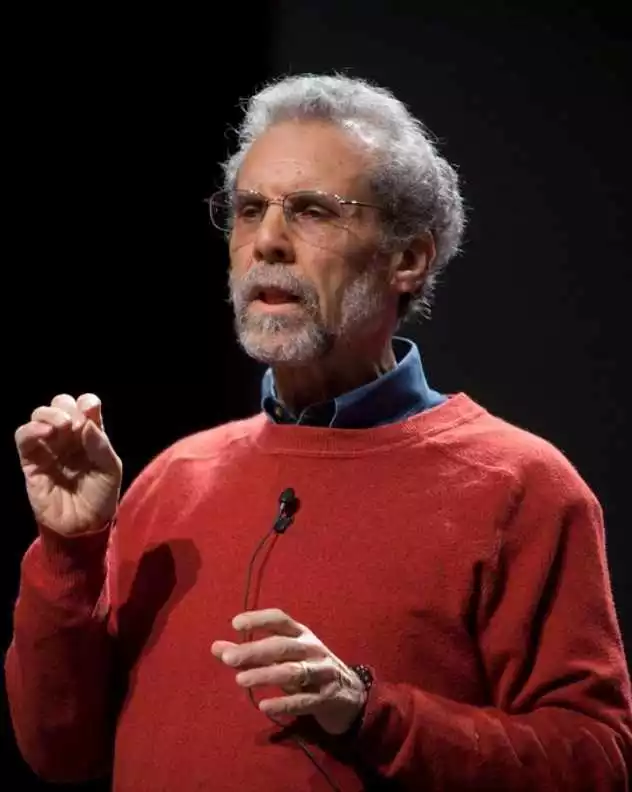
Daniel Goleman, an American psychologist, author, and science journalist worked at New York Times where he covered psychology, emotions, and the brain. Among his most known contributions to humanity is his work on emotional intelligence. It became a New York bestseller and his first book has since been translated to over 40 languages. Today his book is regarded as one of the top 25 most pivotal books in the realm of business management.

Recently I watched an interview where he was asked what to do if your boss has no EQ. First of all he advised not to tell your boss directly. Then he said there were two options only; Either give your feedback through an ally who is able to talk to your boss and who your boss respects. Or, get your boss’s resumé and send it to an executive recruiter and they might get a good job somewhere else. This last part I will remember going forward. I just wish I had heard about this ages ago. Very tangible and practical advice.

Best part about emotional intelligence is that contrary to IQ which stays roughly stable during a lifetime, emotional intelligence can be developed and enhanced through experience, reflection, and conscious practice.

Heck, there’s even something called Spiritual Intelligence, which I’ve just discovered recently.

Let’s peek into a little rabbit hole now, just for curiosity’s sake.

Have you ever heard about the work of Dolores Cannon? Her career as a hypnotherapist specializing in past life regression spanned almost 50 years. She has written extensively on topics covering reincarnation, ETs, and the nature of reality. Dolores invented a process called Quantum Healing Hypnosis Technique (QHHT).
https://dolorescannon.com/about-qhht/

She experienced a greater intelligence talking through the hypnotized people she was helping. That greater intelligence gave her small pieces of a larger puzzle with every client she hypnotized. She started gathering this information and found out that the greater intelligence continued where the previous clients left off. She gathered all that information into 19 books before leaving this dimension.

What I find fascinating about her work is that Dolores herself was not doing the channeling. She was not psychic or had first-hand experience with the non-physical world herself. It was her clients that relayed the information independently of each other. To me that gives the information a lot of credibility.

One of the topics I find mind blowing is the concept of backdrop people. In short, the greater intelligence said that there are people among us who are here only to make this world look inhabited. They have very few functions if any at all. You see them at the mall, people you don’t know, people you observe when you’re having your cafe latte at your favorite café. You see them but you don’t interact with them.
I found this article interesting: https://daily-spirit.com/2017/10/30/backdrop-people-backfill-people-whats-wrong-with-humans/

If you’re familiar with the movie The Matrix, there’s a scene where Neo learns about the nature of the simulated computer reality he lives in that they call the Matrix. Through a computer program and a plug in his head, his consciousness is transported into a simulated training reality. He finds himself walking among people in a busy street. His attention is quickly drawn to a beautiful woman in a red dress. Neo is distracted and doesn’t see the larger picture. None of the people he sees are real and that includes the woman in the red dress.

If you are familiar with computer games, there’s a term called NPCs or non-playing-characters. A computer generated character visually put in place by the game programmers to enhance the game play. To make the game entertaining.
Take a quick watch of the trailer for the movie Free guy.

Let’s look at this from a scientific perspective.

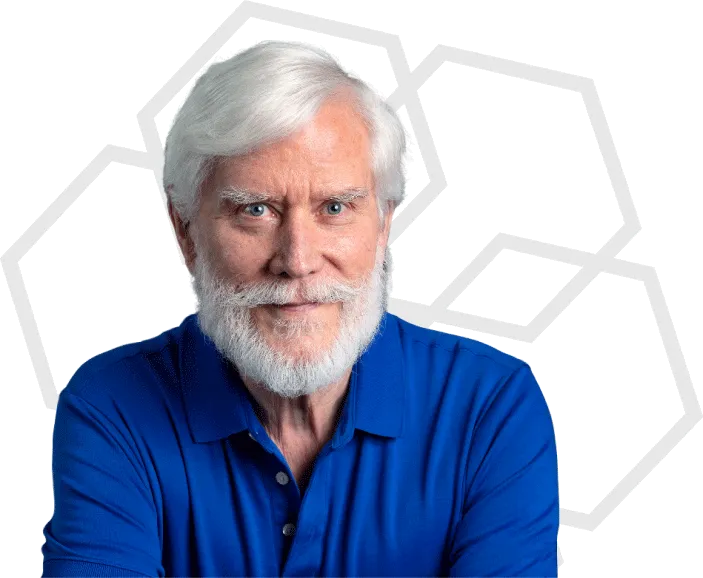
Let me introduce Tom Campbell. He is a nuclear physicist who worked at NASA, who has done more than 50 years of drug-free research into altered states of consciousness. He has worked extensively together with Robert Monroe, the founder of the Monroe Institute, where they both explored consciousness and the nature of our reality.
You might want to know more about Tom’s work with binaural beats which is sometimes called brain wave entrainment technology. Hemi-Sync is one of them.

Using scientific evidence and through systematic exploration of his own consciousness, Tom has been able to develop a scientific model of reality explaining how and why the physical world only exists in our minds. 

If you want to explore this, go to his website and read more about TOE – The theory of everything. 
https://www.my-big-toe.com/

Oh no, what are the implications if this is true?

Take a step back. 
Relax and breathe. Feel the beating of your heart in your chest. Take a sip of water.
Re-focus.

This technique, by the way, is one way to develop your emotional intelligence. Self-management and self-awareness is key.

I believe we are eternal, immortal, infinite, and universal beings having a human experience. We are here on the Earth plane to discover ourselves and right now we are wearing a space suit called a human body.

Graham Hancock, a British writer and critical thinker, says “We truly are a species with amnesia. We have forgotten a very important part of our story.”
Ram Das said we are pure awareness and love.
We are souls having a human experience, is another one.

Philosophers, poets, and artists have different ways of expressing this. 

On my podcast Transcending the Veil, I had a discussion recently with my friend and co-host Nils on spirituality. Here is the link to episode #032 The Nature of Reality: Insights into Spirituality with Claus and Nils:

Lastly I want to quote Tom Campbell from his website:

“Is this a load of nonsense? Where is the evidence? Isn’t consciousness created by the brain? How can one guy alone come up with a Big Theory of Everything?

Skepticism is the right approach. Don’t believe anything. My Big TOE is not about belief. It’s about scientific evidence, radical rationalism and first-hand experience.

But be open-minded. Always question your own assumptions. Disbelief is just another kind of belief. Consider the possibility that reality is stranger than you ever thought.”

Tom Campbell

Santa Claus And The Power Of The Mind

Wait What? What a stupid headline. Santa doesn’t exist!

Here is the audio version of my blog post:

Today is December 25th. In my culture people around me recognise December as Christmas time. That’s what I’ve been brought up with. Merry people, gifts, spending time with loved ones etc. And in my culture there’s a character called Santa Claus in people’s minds – or should I say that it’s a belief or idea that has been accepted as truth in a group consciousness, across the whole world even. Coca-Cola could be a main contributor to this. Coca-Cola is the most known brand in the world, and I would assume the company behind Coca-Cola finds Christmas-time very profitable since they are profiting on an image of a fictitious character called Santa Claus in red fluffy clothes drinking their product. And that keeps repeating yearly.

Every holiday season is commercialized. I might write about the marketing industry and the power of the mind eventually.

I want to give an example of how our minds work using a very current belief system being played out these days. I’m talking about Santa Claus.

Of course at one point in your formative years you wake up from the deception and lies about the existence of Santa. You realise you’ve been fooled and everyone around you is in on it. Just a simple and innocent lie. And it would be a shame to reveal it, and ruin the fun and thus you keep the illusion alive.

I can now see that awakening to our reality happens through layered levels of understanding. And it certainly requires courage to face new facts and integrate that.

We know that the physical brain grows into maturity as we become young adults. They say the brain is fully developed at the age around 28 but the mind and our understanding doesn’t grow at the same speed necessarily.

There’s stage 1 where we are taught as kids about Santa and his Naughty and Nice list. The joy of wishing and getting presents. Innocence. Not realizing that we were actually excitingly imagining ourselves already in the possession of the toy from the magazine. And if we were lucky, we would manifest it in 3D. Some people call that process the Law of Attraction.

Kids’ brains are in a constant trance state (theta wave) until they are around 8. That state of mind is also called hypnosis. And by now as adults we know from TV what skilled hypnotists can make people do. Unfortunately hypnosis is mostly known for its entertainment value.
Basically, our minds act like a sponge at this age, just absorbing everything without questions.

Stage 2 is when we find out that the white-bearded old man wearing red clothes doesn’t exist and we get confused. There’s a new gap between what we used to believe and what reality presents us with. That state of mind or confusion is what is called cognitive dissonance. That is the mental discomfort that results from holding two conflicting beliefs, values, or attitudes.

We eventually adjust to the new fact and new conversations about Santa with un-initiated are performed with a smile on our face. We might not put 2 and 2 together yet to start asking questions about it. 

My daughter, already in 3rd grade still believes in Santa – or so she lets me know. At her age, I’m probably the one being fooled and played – ha, and I like it. What if she has matured enough to be able to turn around the joke. That’ll be a hilarious moment of realization for both of us.

If you want to read more about cognitive dissonance and what it means to us in daily life, I found a nice article about cognitive dissonance:
https://www.verywellmind.com/what-is-cognitive-dissonance-2795012

Stage 3 is when we realize and mostly unconsciously accept the consequences of this idea of presents especially at Christmas time. You follow the herd and accept that it is custom to buy in on the idea of Santa. Presents don’t manifest out of the blue in this reality.

Perhaps it’s also the same stage where you realise that it takes a resource called money to acquire those presents. Effort is required on your part.

If you are curious enough you start understanding about commercial interests and you learn about marketing and advertising as you see the effects after you’ve been to your grocery store returning with a bottle of Coca-Cola.

Perhaps you start digging into the history of Santa Claus and where he comes from. You may even start noticing that ads always show Santa Claus in red and white fluffy clothes. Reindeers are often shown as well.

As you dive deeper you might stumble upon the red and white mushroom the Amanita Muscaria, mistakenly called the magic mushroom. There’s a short video produced by the BBC about reindeers consuming the mushrooms and how some shamans use their urine for getting visions and insights. The video suggests a connection to Santa Claus because of the colors of his robe.

As you start doing your own research and get more and more comfortable with experiencing cognitive dissonance assessing two opposing beliefs at the same time, you might delve into deeper aspects of life affecting you on a daily basis. Philosophy might come up as a game changer at one point.

Compassion for other people and accepting their evolution becomes part of you as you yourself evolve.

At a later stage you realise you have options. You can decide what to believe. No one has the truth and everyone just pretends to know what’s going on. Most noticeably are government officials or news anchors on TV following the same script or success stories from surgically modified reality stars shared on social media.

As you can guess, the quest for innerstanding and exploration of personal truth is never ending. That is called personal development and it’s a huge industry. Most of it is pretty superficial and short sighted, I think.

It’s a process of discovering layers of beliefs and deciding consciously what to keep and what to let go of.

The concept of cognitive dissonance, exemplified by our changing beliefs about Santa Claus, isn’t just a childhood phenomenon. It’s a pervasive part of our adult lives too. As we grow, the dissonance extends to more complex areas – our careers, relationships, and even our understanding of health and politics.

I believe we are a species with amnesia. We’ve simply forgotten our true nature. We are eternal, multi-dimensional, universal, and immortal beings having a human experience.

We already have it all. We are not humans searching for a spiritual awakening. We are beings of spirit attempting to cope with a human awakening. There’s a huge difference and it’s a mindset shift.

This is a path of empowerment, taking responsibility for your own life one step at a time as you continuously explore your personal beliefs, values, and question the reality you experience. 

But here’s the thing; you can only integrate what you know you know. Read that again. Awareness is key.

Seeking tools, seeking knowledge and gaining wisdom is essential in the process of undoing human conditioning. 

Albert Einstein supposedly said: “No problem can be solved from the same level of consciousness that created it”. I’m starting to understand that quote in a broader sense now.

The case of Santa Claus is merely a very present and tangible concept to grasp. It’s just an example of what I call practical spirituality.

Our minds are easily manipulated and the marketing industry takes advantage of this. Marketers knew how the mind works way before psychiatrists did. 

Our reality is filled with much deeper and profound mysteries.

Dive deeper into the realms of personal growth and spirituality by joining my newsletter. You’ll receive regular insights and be the first to learn about my upcoming online courses and trainings I’m developing.

Additionally, I’m exploring the possibility of offering one-to-one spiritual coaching for a more personalized guidance experience. As a newsletter subscriber, you’ll have exclusive access to these unique opportunities.

Sign up for the Newsletter at the bottom of the page.

As we wrap up this exploration of belief systems, let’s circle back to something that might seem trivial but is actually quite profound – the role of Coca-Cola in our Christmas narrative. 
Coca-Cola has painted this jolly, red-suited Santa into our minds so well, it feels as if they had a hand in scripting part of our childhood. This isn’t just marketing; it’s a masterclass in weaving a brand into a cultural tapestry. It shows us just how powerfully a clever story, told by big corporations, can become a chapter in our collective belief system. 

It leaves us with a question to ponder: In what other areas of our lives are large companies or organizations subtly influencing our beliefs and perceptions? The answer might surprise you.